
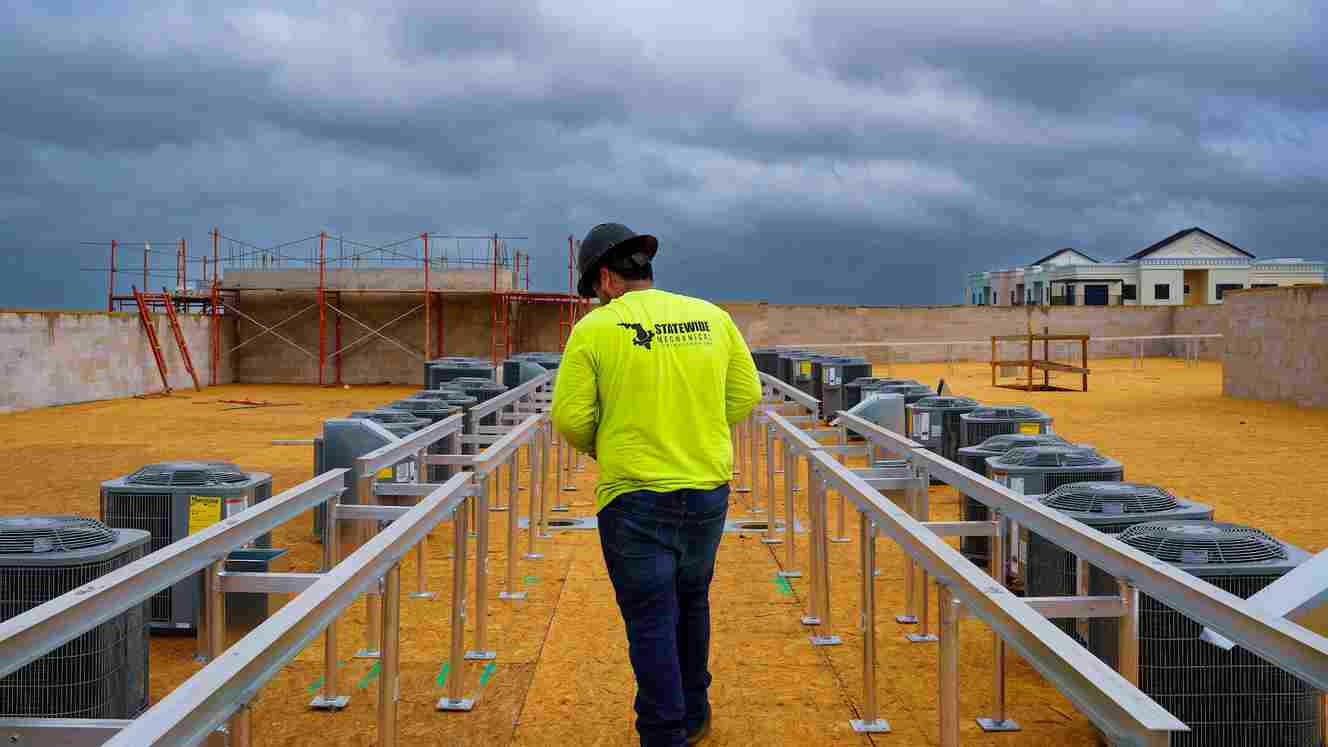
Industrial air conditioning installation plays a critical role in maintaining productivity, protecting equipment, and ensuring worker comfort in commercial and industrial facilities. Whether you operate a warehouse, manufacturing plant, data center, or distribution facility, proper climate control directly impacts performance and operational efficiency.
Unlike residential systems, industrial HVAC systems must handle larger spaces, higher heat loads, and specialized cooling requirements. Therefore, choosing the right industrial air conditioning installation approach requires careful planning, expert engineering, and professional execution.
This complete guide will walk you through everything you need to know about industrial air conditioning installation, including benefits, system types, installation steps, cost factors, and how to choose the right mechanical contractor in Miami.
Why Industrial Air Conditioning Installation Is Essential
Industrial environments generate significant heat from machinery, lighting, and production processes. Without proper cooling, these conditions can lead to reduced productivity, equipment failure, and safety concerns.
Improved Worker Productivity
Comfortable working conditions allow employees to perform more efficiently. High temperatures often lead to fatigue, reduced concentration, and increased errors. When businesses invest in industrial air conditioning installation, they create a controlled environment that supports better performance and reduces workplace risks. Maintaining consistent temperatures helps employees stay focused and productive throughout the workday.
Equipment Protection
Industrial equipment generates large amounts of heat and is often sensitive to temperature fluctuations. Without proper cooling, machinery may overheat, which can lead to expensive downtime and repairs. Industrial air conditioning installation helps maintain stable operating temperatures, extending the lifespan of valuable equipment and preventing unexpected breakdowns.
Better Product Quality
Many industries rely on strict temperature and humidity control to maintain product quality. Industries such as pharmaceuticals, food processing, and manufacturing depend on consistent environmental conditions. Industrial air conditioning installation ensures these conditions remain stable, reducing waste and improving product consistency.
Regulatory Compliance
Many industrial facilities must comply with safety and environmental regulations. Proper climate control helps businesses meet these requirements and maintain safe working conditions. Reliable industrial heating and cooling service ensures that facilities meet compliance standards while protecting employees and equipment.
Energy Efficiency
Modern industrial HVAC systems are designed with energy efficiency in mind. With proper industrial air conditioning installation, businesses can significantly reduce energy consumption. Efficient systems not only lower operational costs but also contribute to sustainability goals.
Types of Industrial Air Conditioning Systems
Choosing the right system depends on facility size, cooling requirements, and operational needs. Here are the most common systems used in industrial air conditioning installation.
Centralized Industrial HVAC Systems
Centralized industrial HVAC systems are commonly used in large facilities that require consistent cooling across wide areas. These systems typically rely on rooftop units or centralized chillers to distribute cooled air through ductwork. Industrial air conditioning installation involving centralized systems provides uniform temperature control, which is ideal for warehouses, manufacturing plants, and distribution centers.
These systems are also scalable, making them suitable for growing facilities. A professional mechanical contractor in Miami often recommends centralized systems for businesses that require consistent climate control across multiple zones.
Ductless Industrial Cooling Systems
Ductless industrial cooling systems provide flexibility and targeted cooling for specific areas. These systems are ideal for facilities where traditional ductwork is not practical or cost-effective. Industrial air conditioning installation using ductless systems allows businesses to control temperatures in individual zones.
This approach improves energy efficiency because only occupied areas are cooled. Ductless systems are commonly used in server rooms, production areas, and storage facilities. Their flexibility makes them a popular choice for industrial heating and cooling service providers.
Evaporative Cooling Systems
Evaporative cooling systems use water evaporation to reduce air temperature. These systems are particularly effective in large open spaces such as warehouses and factories. Industrial air conditioning installation using evaporative cooling is often more energy-efficient and cost-effective compared to traditional HVAC systems.
These systems are also environmentally friendly and consume less energy. Many businesses integrate evaporative cooling into their overall industrial heating and cooling service strategy to reduce operational costs while maintaining comfortable conditions.
Industrial Air Conditioning Installation Process
Proper industrial air conditioning installation requires careful planning and professional expertise. The process begins with a detailed facility assessment. During this phase, professionals evaluate the size of the building, the type of equipment used, insulation quality, and airflow requirements. This assessment helps determine the most suitable system for the facility.
After the assessment, engineers design the system to ensure optimal performance. This stage includes selecting appropriate equipment, designing ductwork layouts, and planning airflow distribution. A well-designed system improves efficiency and reduces long-term operating costs.
Once the design is complete, the installation phase begins. Technicians install HVAC units, connect ductwork, and set up control systems. Professional industrial air conditioning installation ensures all components function correctly and efficiently.
After installation, the system undergoes testing and commissioning. Contractors test airflow, cooling capacity, and safety features. This final step ensures the system operates efficiently and meets performance expectations.
Key Factors to Consider Before Installation
Facility Size
Facility size plays a major role in determining the right system. Large industrial spaces require powerful HVAC systems capable of handling significant cooling loads. Smaller facilities may benefit from modular or ductless solutions. Proper industrial air conditioning installation ensures the system is appropriately sized for the facility.
Cooling Requirements
Different industries have unique cooling requirements. Manufacturing facilities may generate more heat than storage warehouses. Understanding your cooling needs helps ensure proper system selection and performance.
Energy Efficiency Goals
Energy efficiency is a major consideration when planning industrial air conditioning installation. High-efficiency systems reduce energy consumption and operating costs. Investing in modern HVAC technology helps businesses achieve long-term savings.
Budget Considerations
Budget is another important factor. While upfront costs may vary, investing in quality industrial air conditioning installation often reduces long-term maintenance and energy expenses.
Benefits of Professional Industrial Heating and Cooling Service
Working with professionals ensures reliable performance and long-term efficiency. Professional industrial heating and cooling service providers offer expertise in system design, installation, and maintenance.
Experienced technicians ensure systems are installed correctly and operate efficiently. Regular maintenance also prevents costly breakdowns and extends equipment lifespan. In addition, professional service providers help businesses optimize energy usage and improve system performance.
Businesses that partner with trusted professionals benefit from improved reliability, reduced downtime, and better overall performance.
Choosing the Right Mechanical Contractor in Miami
Selecting the right mechanical contractor in Miami is essential for successful industrial air conditioning installation. Experienced contractors understand the unique climate challenges and industrial requirements in the region.
Look for contractors with experience in large-scale installations, strong industry reputation, and comprehensive service offerings. A reliable contractor should provide system design, installation, maintenance, and emergency services.
Working with an experienced provider like Statewide Mechanical Contractors Inc ensures your industrial HVAC system is installed correctly and performs efficiently. Their expertise in industrial heating and cooling service helps businesses maintain comfortable and productive environments.
Maintenance After Industrial Air Conditioning Installation
Maintenance plays a crucial role in system performance. Regular inspections help identify issues before they become major problems. Routine maintenance includes cleaning filters, inspecting components, and checking airflow.
Professional industrial heating and cooling service ensures systems operate efficiently throughout the year. Scheduled maintenance reduces downtime and extends equipment lifespan.
Cost of Industrial Air Conditioning Installation
The cost of industrial air conditioning installation varies depending on facility size, system type, and installation complexity. Large facilities typically require more powerful systems, which may increase costs.
However, investing in energy-efficient systems helps reduce operating expenses. Businesses should consider long-term savings when evaluating installation costs.
Final Thoughts
Industrial air conditioning installation is essential for maintaining productivity, protecting equipment, and ensuring employee comfort. Choosing the right system and working with an experienced mechanical contractor in Miami ensures optimal performance and efficiency.
From system selection to maintenance, professional industrial heating and cooling service plays a critical role in long-term success. Investing in quality industrial air conditioning installation helps businesses improve operations, reduce costs, and create a comfortable working environment.
FAQs
1. What is industrial air conditioning installation and why is it important?
Industrial air conditioning installation involves designing and installing large-scale cooling systems for factories, warehouses, manufacturing plants, and other industrial facilities. These systems are important because they help maintain safe working conditions, protect equipment from overheating, and improve overall productivity. Proper industrial air conditioning installation also ensures consistent temperature control, which is essential for product quality and operational efficiency.
2. How long does industrial air conditioning installation take?
The timeline for industrial air conditioning installation depends on the size of the facility, system complexity, and installation requirements. Smaller projects may take a few days to complete, while larger industrial installations can take several weeks. A professional mechanical contractor in Miami typically conducts a full assessment and provides a detailed timeline before beginning the installation process.
3. What factors affect the cost of industrial air conditioning installation?
Several factors influence the cost of industrial air conditioning installation, including facility size, cooling requirements, system type, energy efficiency features, and installation complexity. Additional costs may include ductwork modifications, electrical upgrades, and ongoing industrial heating and cooling service. Investing in high-quality equipment often results in lower long-term operating costs.
4. How often should industrial HVAC systems be maintained after installation?
Regular maintenance is essential after industrial air conditioning installation to ensure optimal performance. Most facilities benefit from scheduled maintenance every three to six months, depending on usage and environmental conditions. Routine industrial heating and cooling service helps prevent unexpected breakdowns, improves energy efficiency, and extends equipment lifespan.
5. How do I choose the right mechanical contractor in Miami for installation?
Choosing the right mechanical contractor in Miami involves evaluating experience, certifications, reputation, and service offerings. Look for contractors who specialize in industrial air conditioning installation and provide comprehensive industrial heating and cooling service. A reliable contractor will offer consultation, installation, maintenance, and emergency support to ensure long-term system performance.

