
Heating, ventilation, and air conditioning (HVAC) systems are essential to the comfort, safety, and efficiency of commercial and industrial buildings. From office complexes and hospitals to warehouses and manufacturing plants, these systems must operate reliably year-round. Behind their design, installation, and ongoing performance is a professional known as a mechanical contractor.
For businesses in South Florida, especially those operating in demanding environments, understanding the role of a mechanical contractor can help ensure better system performance, regulatory compliance, and long-term cost control. This article explains what a mechanical contractor does for HVAC systems, why their expertise matters, and how businesses benefit from working with experienced professionals.
Understanding the Role of a Mechanical Contractor
A mechanical contractor is a licensed professional responsible for installing, maintaining, repairing, and upgrading mechanical systems within commercial and industrial buildings. These systems typically include HVAC, refrigeration, piping, and ventilation infrastructure.
Unlike residential HVAC technicians, mechanical contractors work on large-scale systems designed to support higher occupancy, heavy equipment, and continuous operation. Their work requires advanced technical knowledge, detailed planning, and strict adherence to safety and building codes. In regions like South Florida, businesses often rely on a mechanical contractor Miami companies trust to design systems that can handle extreme heat, humidity, and long operating hours.
How Mechanical Contractors Support HVAC Systems
Mechanical contractors play a critical role throughout the entire lifecycle of an HVAC system from initial planning to long-term maintenance.
HVAC System Design and Engineering
Before installation begins, contractors assess the building’s layout, size, usage, and energy demands. They design HVAC systems that provide balanced airflow, consistent temperatures, and energy efficiency. Proper system design is essential to prevent uneven cooling, excessive energy use, and premature equipment failure. For commercial properties, this planning stage ensures the HVAC system can scale as business needs grow.
Professional HVAC Installation
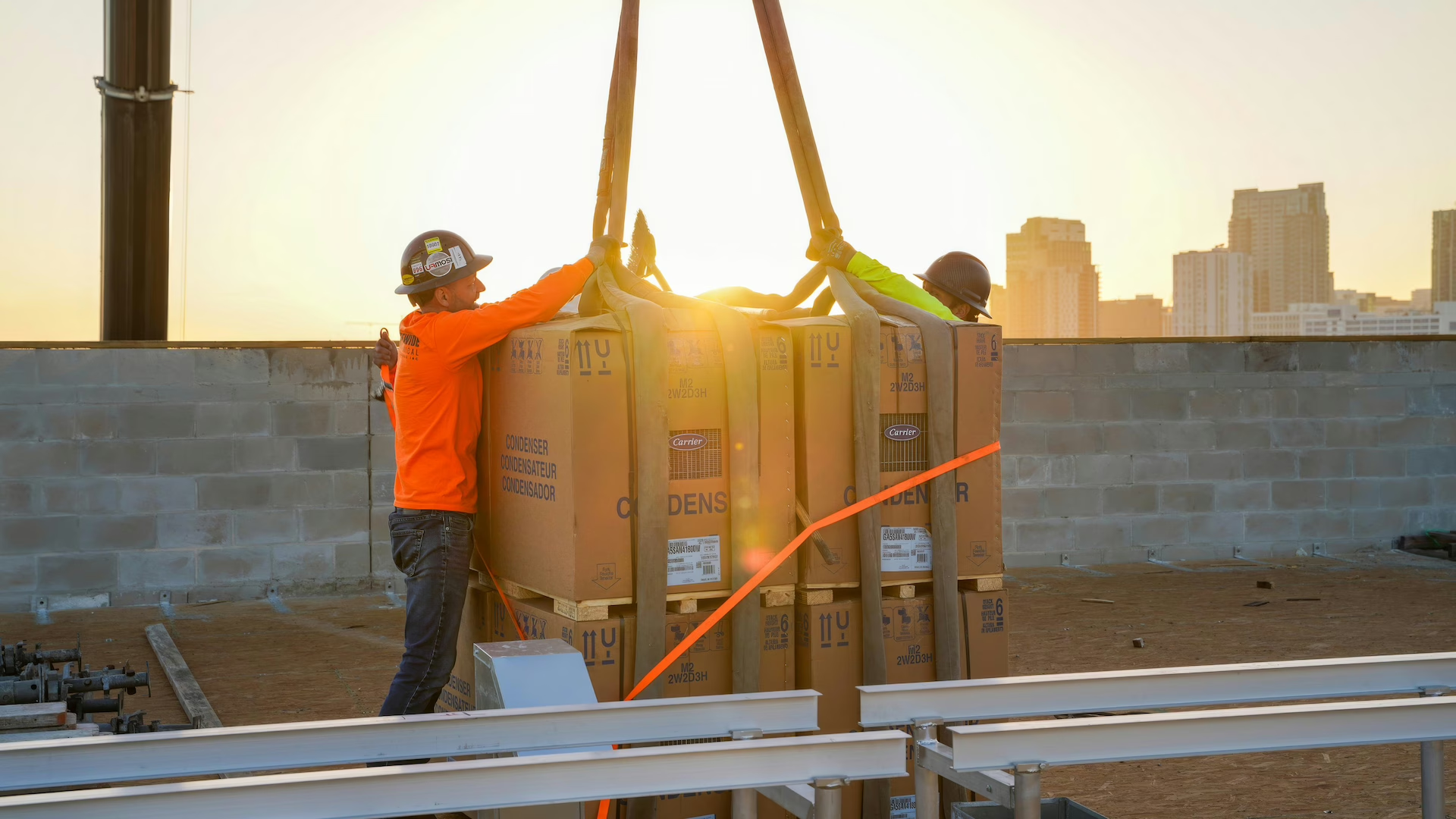
Installation is one of the most important phases of any HVAC project. Mechanical contractors oversee the setup of air handling units, ductwork, chillers, boilers, controls, and exhaust systems. Every component must be installed correctly to ensure system efficiency and reliability. Many commercial HVAC mechanical contractors also coordinate with other trades, ensuring electrical, plumbing, and structural elements align seamlessly with HVAC infrastructure.
Preventive Maintenance and Inspections
Routine maintenance is essential to keeping HVAC systems operating efficiently. Mechanical contractors provide scheduled inspections, filter changes, system cleaning, and performance testing. Preventive maintenance helps identify minor issues before they turn into major failures. For businesses that depend on uninterrupted operations, regular service reduces downtime, extends equipment lifespan, and lowers long-term repair costs.
HVAC Repairs and Troubleshooting
When HVAC systems malfunction, it can disrupt productivity, compromise safety, and impact customer experience. Mechanical contractors diagnose issues such as airflow problems, temperature inconsistencies, refrigerant leaks, and equipment failures. Their expertise allows them to resolve problems efficiently while minimizing disruption to daily operations.
Commercial HVAC vs. Industrial HVAC: What’s the Difference?
Although often grouped together, commercial and industrial HVAC systems serve different purposes and require different levels of expertise.
Commercial HVAC Systems
Commercial HVAC systems are typically found in offices, retail spaces, hotels, healthcare facilities, and educational institutions. These systems focus on occupant comfort, indoor air quality, and energy efficiency. Mechanical contractors working in commercial environments must balance performance with operating costs while ensuring compliance with local regulations.
Industrial HVAC Systems
Industrial HVAC systems are used in manufacturing plants, warehouses, and processing facilities. These environments often require precise temperature control, ventilation for hazardous materials, and heavy-duty equipment designed for continuous operation.
Mechanical contractors providing industrial heating and cooling service focus on system durability, safety, and performance under demanding conditions. Their work supports production efficiency and protects sensitive equipment.
Why HVAC Expertise Is Critical in South Florida
South Florida presents unique challenges that make professional HVAC services especially important.
Climate and Environmental Conditions
High temperatures, extreme humidity, and coastal air can place significant strain on HVAC systems. Mechanical contractors in Miami design and maintain systems that resist corrosion, manage moisture effectively, and operate efficiently under constant demand.
Energy Efficiency Requirements
Cooling systems account for a large portion of energy consumption in Florida businesses. Mechanical contractors help optimize energy use through modern equipment, smart controls, and efficient system layouts reducing utility costs without sacrificing comfort.
Code Compliance and Safety
Local building codes and environmental regulations must be followed precisely. Experienced contractors ensure systems meet all requirements, helping businesses avoid failed inspections, fines, or legal issues.
The Business Benefits of Hiring Professional Mechanical Contractors
Working with qualified HVAC professionals offers more than just technical support, it delivers real business value.
Reduced Operating Costs
Efficient HVAC systems consume less energy and require fewer emergency repairs. Professional installation and maintenance lower long-term expenses and improve return on investment.
Improved Indoor Comfort and Air Quality
Well-designed HVAC systems provide consistent temperatures, proper ventilation, and cleaner air. This improves employee comfort, supports health standards, and enhances customer experience.
System Reliability and Longevity
Mechanical contractors use best practices and quality components to extend equipment lifespan. Businesses benefit from fewer breakdowns and predictable system performance.
Support for Business Growth
As operations expand, HVAC systems must adapt. Mechanical contractors design scalable solutions that support future renovations, expansions, or increased occupancy.
Choosing the Right Mechanical Contractor for HVAC Projects
Selecting the right contractor is critical to project success. Businesses should look for professionals with proven experience, proper licensing, and a strong understanding of commercial and industrial HVAC systems.
Important factors include experience with similar facilities, knowledge of local building codes, transparent communication, detailed project planning, and access to long-term maintenance support. A trusted Statewide mechanical contractor Miami businesses rely on will act as a long-term partner, not just a one-time service provider.
The Role of Technology in Modern HVAC Systems
Today’s HVAC systems incorporate advanced technologies that improve performance and efficiency. Mechanical contractors help businesses adopt solutions such as smart thermostats, building automation systems, energy monitoring and load optimization tools, high-efficiency chillers, variable-speed equipment, and advanced ventilation and air filtration systems. These innovations reduce energy costs while supporting sustainability goals.
Why Professional HVAC Services Are a Smart Investment
Attempting to cut costs by using unqualified providers often leads to system inefficiencies, safety risks, and higher expenses over time. Professional mechanical contractors deliver the expertise needed to protect both people and property. From system design and installation to ongoing service, their work ensures HVAC systems operate reliably even in challenging environments.
Final Thoughts
A mechanical contractor plays a vital role in the performance, safety, and efficiency of HVAC systems in commercial and industrial settings. Their expertise supports everything from daily comfort to long-term operational success. For businesses operating in South Florida’s demanding climate, working with experienced professionals ensures HVAC systems are built to last, perform efficiently, and meet regulatory standards.
If you’re planning a new installation, system upgrade, or need reliable maintenance, contact us today to discuss your HVAC needs and learn how our expert team can support your business. Partnering with qualified professionals can make all the difference in keeping your facility running smoothly.
FAQs
1. What does a mechanical contractor do for HVAC systems?
A mechanical contractor designs, installs, maintains, and repairs HVAC systems in commercial and industrial buildings. They ensure systems operate efficiently, comply with local codes, and perform reliably under demanding conditions.
2. How is a mechanical contractor different from an HVAC technician?
Mechanical contractors handle large-scale commercial and industrial HVAC systems, including engineering, project management, and system integration. HVAC technicians typically focus on residential or small commercial service and repairs.
3. Why should businesses in South Florida hire a professional mechanical contractor?
South Florida’s heat, humidity, and coastal conditions place extra stress on HVAC systems. Professional mechanical contractors design and maintain systems that resist corrosion, manage moisture, and operate efficiently year-round.
4. How often should commercial HVAC systems be serviced?
Most commercial HVAC systems should be inspected and serviced at least two to four times per year. Regular preventive maintenance helps reduce breakdowns, extend equipment lifespan, and improve energy efficiency.
5. What should I look for when choosing a mechanical contractor?
Businesses should look for proper licensing, experience with similar facilities, knowledge of local building codes, transparent communication, and the ability to provide long-term maintenance and support.

