
Choosing the right commercial electrical contractor in Miami is a critical decision for any business owner, property manager, or developer. Electrical systems are the backbone of modern commercial buildings, powering everything from lighting and HVAC systems to security, data networks, and specialized equipment. Poor electrical work can lead to safety hazards, unexpected downtime, costly repairs, and even legal issues related to code violations.
As Miami continues to expand with new commercial developments, renovations, and industrial projects, the demand for skilled electrical professionals has grown significantly. This guide explains what a commercial electrical contractor does, why their role is so important, and how to choose the right professional for your business needs while balancing safety, efficiency, and long-term performance.
Understanding the Role of a Commercial Electrical Contractor
A commercial electrical contractor is responsible for designing, installing, maintaining, and upgrading electrical systems in non-residential properties. These include office buildings, retail centers, restaurants, healthcare facilities, warehouses, hotels, and mixed-use developments. Unlike residential electricians, commercial contractors work with higher electrical loads, more complex systems, and stricter safety and compliance standards.
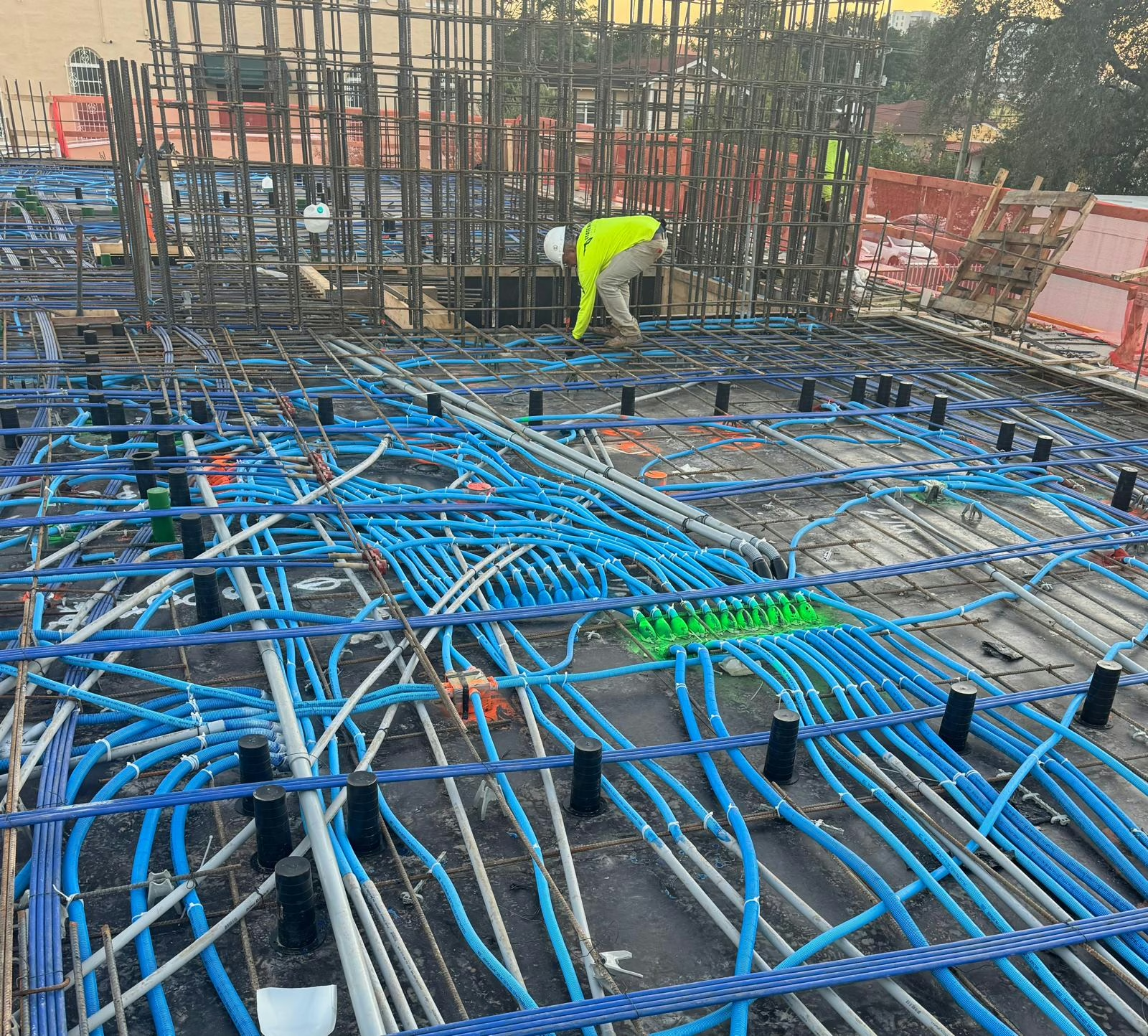
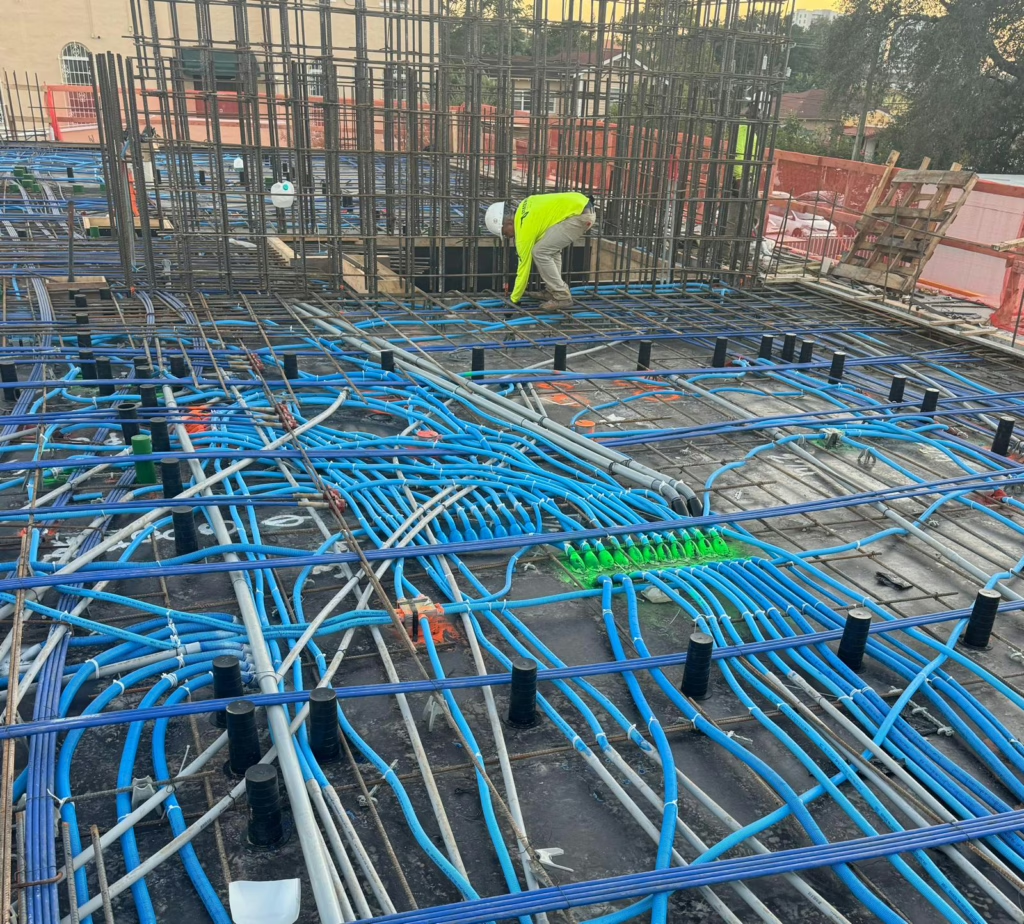
Their responsibilities often begin during the planning stage of a project. They review architectural drawings, calculate electrical loads, and design systems that can support both current operations and future growth. During construction or renovation, they install wiring, panels, transformers, lighting systems, and control equipment. After installation, they test systems, ensure code compliance, and provide ongoing maintenance to keep everything running smoothly.
Why Commercial Electrical Work Requires Specialized Expertise
Commercial electrical systems are far more complex than residential ones. They often involve three-phase power, backup generators, emergency lighting, fire alarm systems, and advanced automation technologies. A small error in design or installation can lead to system overloads, power failures, or serious safety risks.
In a city like Miami, contractors must also account for environmental factors such as humidity, heat, and storm-related power disruptions. Electrical systems must be designed to withstand these conditions while remaining energy-efficient and reliable. This level of complexity makes it essential to hire a contractor with proven commercial and industrial experience rather than relying on general or residential electricians.
Key Commercial Electrical Services Businesses Rely On
Commercial electrical contractor provide a wide range of services tailored to business environments. These services are essential for daily operations, employee safety, and customer experience.
They typically handle electrical panel upgrades to support increased power demands, ensuring that circuits are balanced and systems are not overloaded. Contractors also install and maintain commercial lighting systems, including energy-efficient LED solutions and automated lighting controls that reduce energy costs.
Emergency and backup power systems are another critical service. Businesses depend on generators and uninterruptible power supplies to maintain operations during outages. Contractors design and install these systems to ensure seamless transitions during power failures.
In addition, commercial contractors provide wiring solutions for offices, retail spaces, restaurants, and multi-tenant buildings. They also install grounding and surge protection systems to protect equipment from electrical spikes and lightning-related damage.
Industrial Electrical Solutions for High-Demand Environments
Industrial facilities such as manufacturing plants, distribution centers, and processing facilities require even more specialized electrical expertise. These environments use heavy machinery, high-voltage systems, and automated equipment that must operate safely and efficiently around the clock.
Industrial electrical contractors design and install power distribution systems capable of handling heavy electrical loads. They wire and maintain motors, conveyors, and automated production equipment while ensuring compliance with strict safety regulations. Preventive maintenance is especially important in industrial settings, as unexpected downtime can result in significant financial losses.
Advanced diagnostic tools and predictive maintenance strategies are often used to identify potential issues before they lead to system failures. This proactive approach helps protect expensive equipment and ensures uninterrupted operations.
The Importance of Proper Power Distribution
Power distribution is one of the most critical components of any commercial or industrial electrical system. A well-designed distribution system ensures that electricity flows safely and efficiently throughout the building. Poor load balancing or outdated equipment can cause frequent outages, overheating, and fire hazards.
A qualified commercial electrical contractor designs systems with properly balanced loads and selects panels, breakers, and transformers that are compatible with the building’s requirements. They also integrate redundancy and emergency backup power where needed, ensuring that critical systems remain operational during outages.
In addition to safety, optimized power distribution improves energy efficiency. Efficient systems reduce wasted energy, lower utility costs, and support sustainable building initiatives—an increasingly important consideration for Miami businesses.
Electrical Project Management from Start to Finish
Successful commercial electrical projects depend on effective project management. Electrical contractors coordinate closely with architects, engineers, general contractors, and inspectors to ensure that work is completed on time and within budget.
The process typically begins with a detailed assessment of project requirements, followed by system design and planning. Contractors then handle permits and approvals, ensuring compliance with all local and state regulations. During installation, they follow strict safety protocols and quality standards.
After installation, systems are tested and commissioned to confirm reliability and performance. Ongoing maintenance services help preserve system efficiency and reduce the risk of future issues. This structured approach minimizes costly mistakes and ensures long-term reliability.
Energy Efficiency and Sustainable Electrical Practices
Energy efficiency has become a top priority for commercial property owners. Rising energy costs and environmental concerns have led many businesses to adopt sustainable electrical solutions. Modern commercial electrical contractors integrate energy-efficient technologies that reduce consumption while maintaining performance.
LED lighting upgrades are among the most common improvements, offering significant energy savings and longer lifespans compared to traditional lighting. Smart automation systems, including occupancy sensors and programmable controls, further reduce unnecessary energy use.
Contractors may also design solar-ready electrical infrastructure and conduct energy audits to identify inefficiencies. High-efficiency power distribution equipment supports sustainability goals while delivering measurable cost savings over time.
Safety and Compliance Standards in Commercial Electrical Work
Electrical safety is non-negotiable in commercial environments. Contractors must comply with federal, state, and local regulations to protect occupants, employees, and property. This includes adherence to the National Electrical Code, Florida Building Codes, and Miami-Dade requirements.
Safety measures include surge protection, ground fault systems, and circuit overload prevention. Regular inspections are especially important in high-load environments where equipment operates continuously. Fire safety compliance, worker training, and proper documentation are all part of a professional contractor’s responsibilities.
By following these standards, businesses reduce liability risks and ensure that their electrical systems remain safe and dependable.
How to Choose the Right Commercial Electrical Contractor in Miami
Selecting the right contractor requires more than comparing prices. Business owners should look for licensed and insured professionals with proven experience in commercial and industrial projects. Strong references, positive client reviews, and a portfolio of completed work are important indicators of reliability.
Clear communication is another key factor. A professional contractor explains technical details in simple terms, provides transparent estimates, and keeps clients informed throughout the project. They should also offer maintenance and support services after installation, ensuring long-term system performance.
Choosing a qualified commercial electrical contractor provides peace of mind, knowing that your electrical systems are built to last and capable of supporting your business as it grows.
Conclusion
Hiring the right commercial electrical contractor in Miami is essential for creating safe, efficient, and future-ready electrical systems. From system design and installation to maintenance and energy optimization, professional expertise plays a vital role in the success of any commercial or industrial property.
By focusing on experience, compliance, energy efficiency, and long-term reliability, businesses can avoid costly issues and ensure uninterrupted operations. Investing in professional electrical services is not just a regulatory requirement—it’s a strategic decision that supports safety, performance, and sustainable growth.
FAQs
Q1: What does a commercial electrical contractor do?
A commercial electrical contractor designs, installs, maintains, and repairs electrical systems for businesses, offices, retail spaces, and industrial facilities. Their work includes power distribution, lighting systems, safety compliance, and ongoing maintenance.
Q2: How is commercial electrical work different from residential electrical work?
Commercial electrical systems handle higher power loads, more complex wiring, and stricter safety regulations. They often include three-phase power, backup generators, and advanced control systems that are not typically found in homes.
Q3: Why is licensing important when hiring an electrical contractor in Miami?
Licensing ensures the contractor meets Florida and local Miami-Dade electrical codes. Licensed contractors follow safety standards, carry proper insurance, and reduce the risk of code violations, fines, or unsafe installations.
Q4: Can a commercial electrical contractor help improve energy efficiency?
Yes. Many contractors provide energy-efficient solutions such as LED lighting upgrades, smart automation systems, energy audits, and modern power distribution equipment to help reduce energy consumption and operating costs.
Q5: Do commercial electrical contractors offer maintenance after installation?
Most professional contractors offer ongoing maintenance services. Regular inspections and preventive maintenance help extend system lifespan, prevent breakdowns, and ensure continued safety and reliability.

